Objects Of is a story exchange network built for the 2019 Microsoft Design Expo on the theme of Empathy at Scale. The project uses everyday objects to surface multifaceted stories that challenge single narratives and implicit biases. Through physical cards, public kiosks, and a companion website, it fosters sustained communal reflection.
The brief
The prompt for the 2019 Microsoft Design Expo was Empathy at Scale. Research drew initial inspiration from A Thousand and One Books, a crowd-sourced traveling library where each book is donated by someone who loves it.
Three forces shaped the challenge. Psychic numbing: constant exposure to current events erodes our capacity for empathy. Cultural reinforcement: without sustained practice, even well-intentioned empathy dissolves. Object empathy: people naturally embed meaning in everyday objects, creating a bridge between the tangible and the emotional.
"How might we show people a reality beyond binaries, assumptions, and tokens through representing multifaceted stories that demonstrate that we're all just people?"
A new framework for empathy
When any group of people is represented through a single narrative, that group is stereotyped. This creates a dynamic where people with privilege feel pity toward those they perceive as lesser. A plurality of stories, written by individuals rather than a disembodied third party, fosters a more nuanced response.
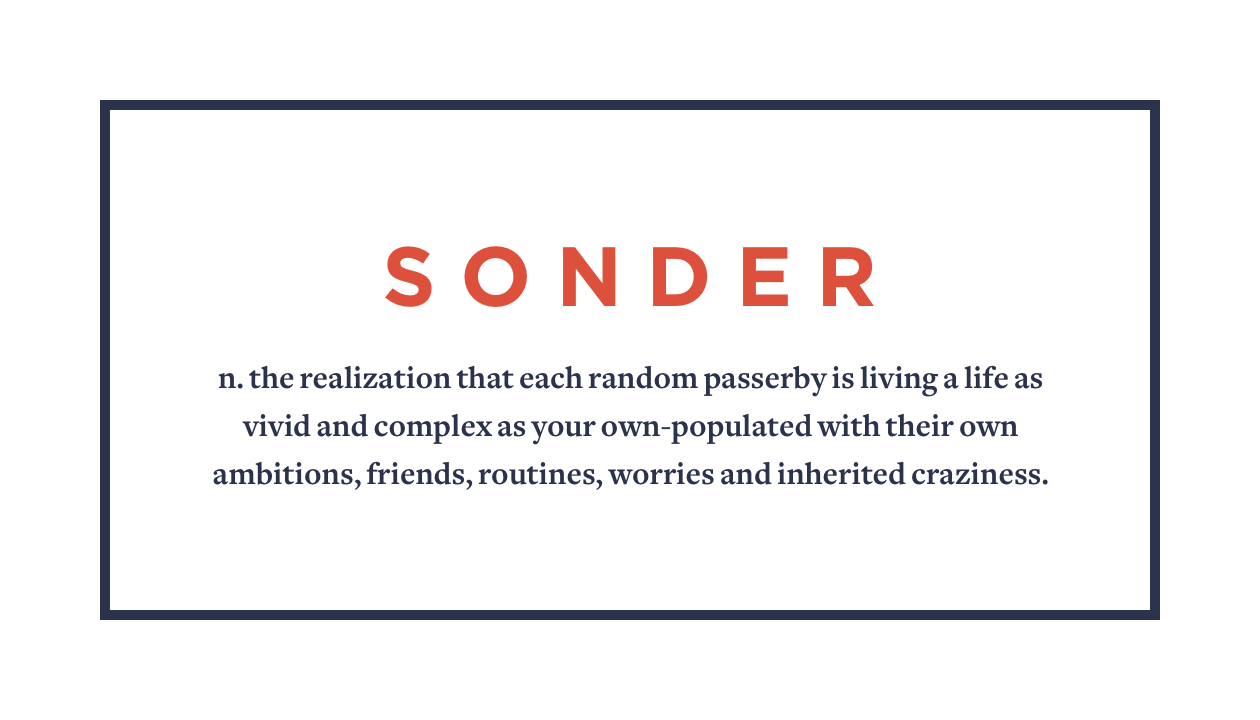
We proposed a new framing for empathy called Sonder - the realization that every person around you is living a life as vivid and complex as your own.
Most people are regularly exposed to reductive narratives through media, social platforms, and second-hand accounts. Over time, we learn to ignore them. By grounding stories in the everyday objects around us, the project creates an entry point for reflection that is literally tangible.
A study by the Atlantic and Public Religion Research Institute found that 40% of Americans lack exposure to other races, ideologies, and religions. Nearly half the population holds little more than a one-dimensional picture of people different from themselves.

Design response
Four principles guided the work: build and reinforce an empathetic reflex. Make it personal, not performative. Design for empathy over time, not a singular moment of insight. Empower people to take action while respecting their boundaries.
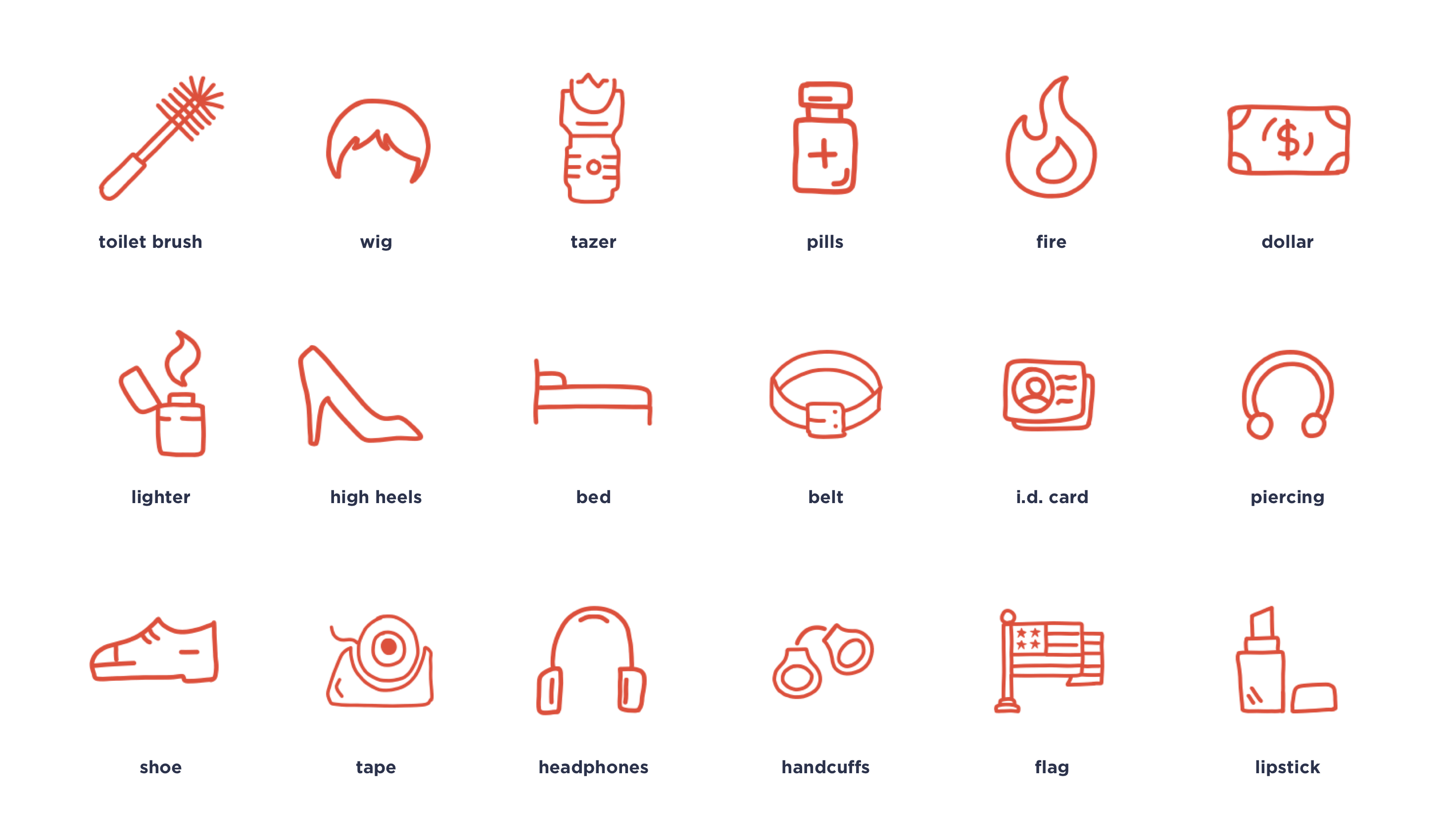
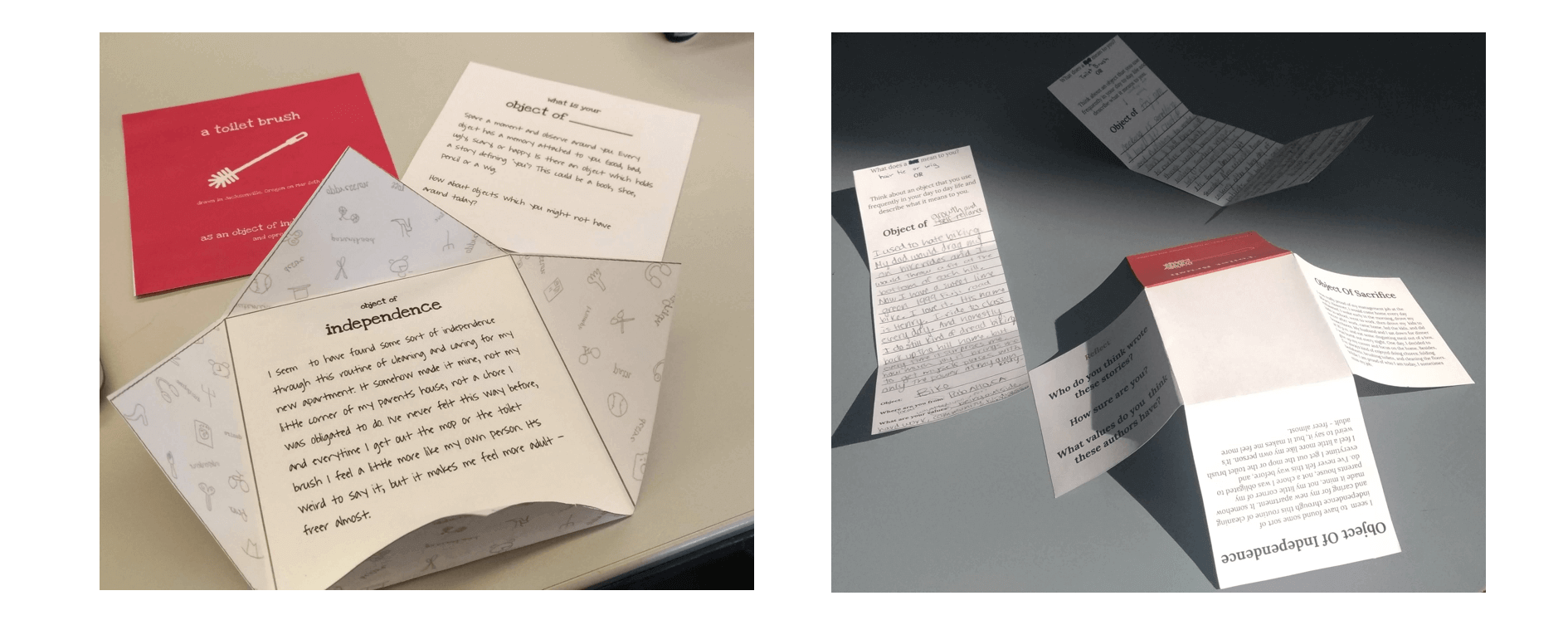
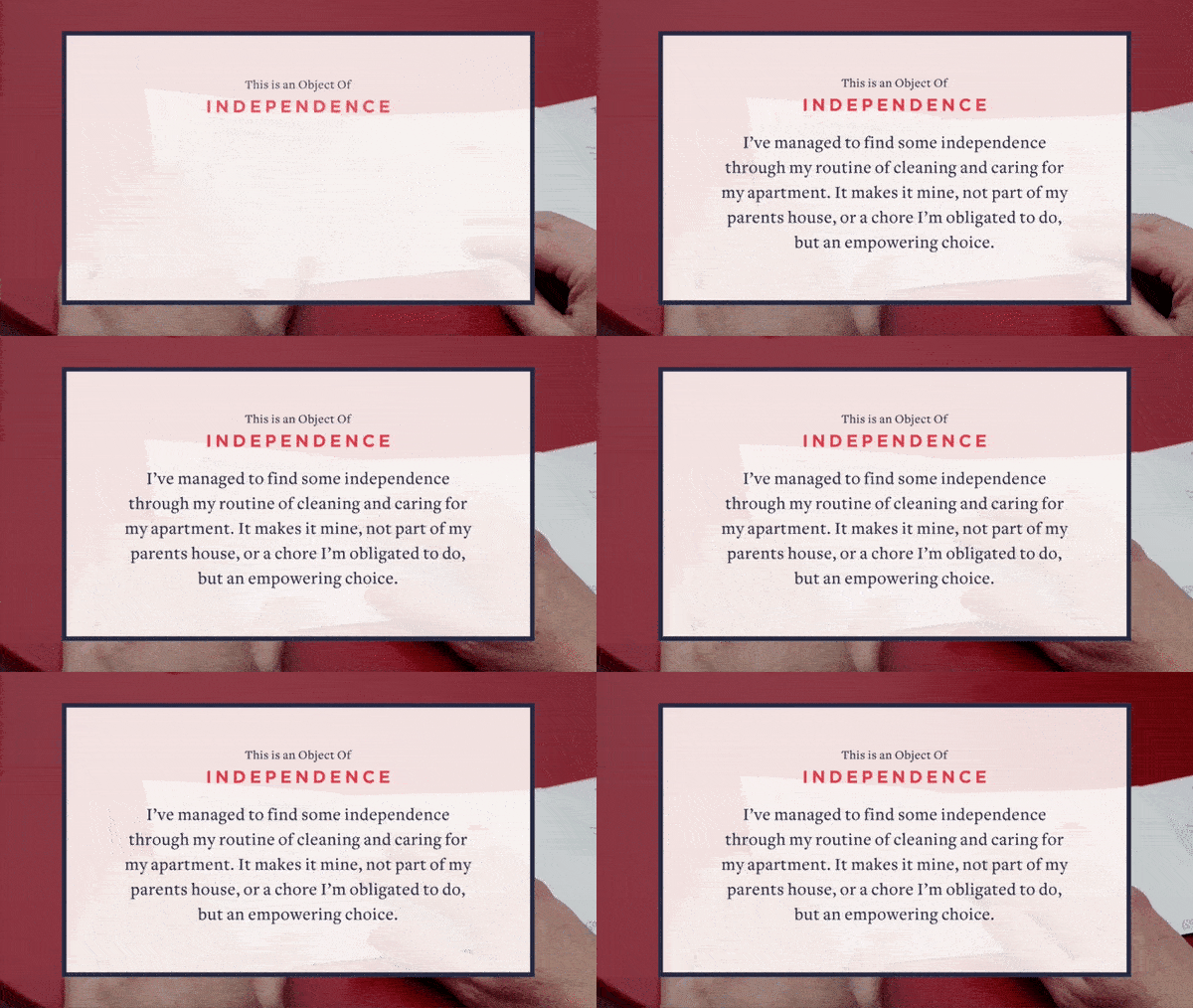
The design response centered on everyday objects as story vessels. A toilet brush, a fork, a pair of shoes - each holds multifaceted stories while remaining accessible to nearly everyone.
The system
Physical cards
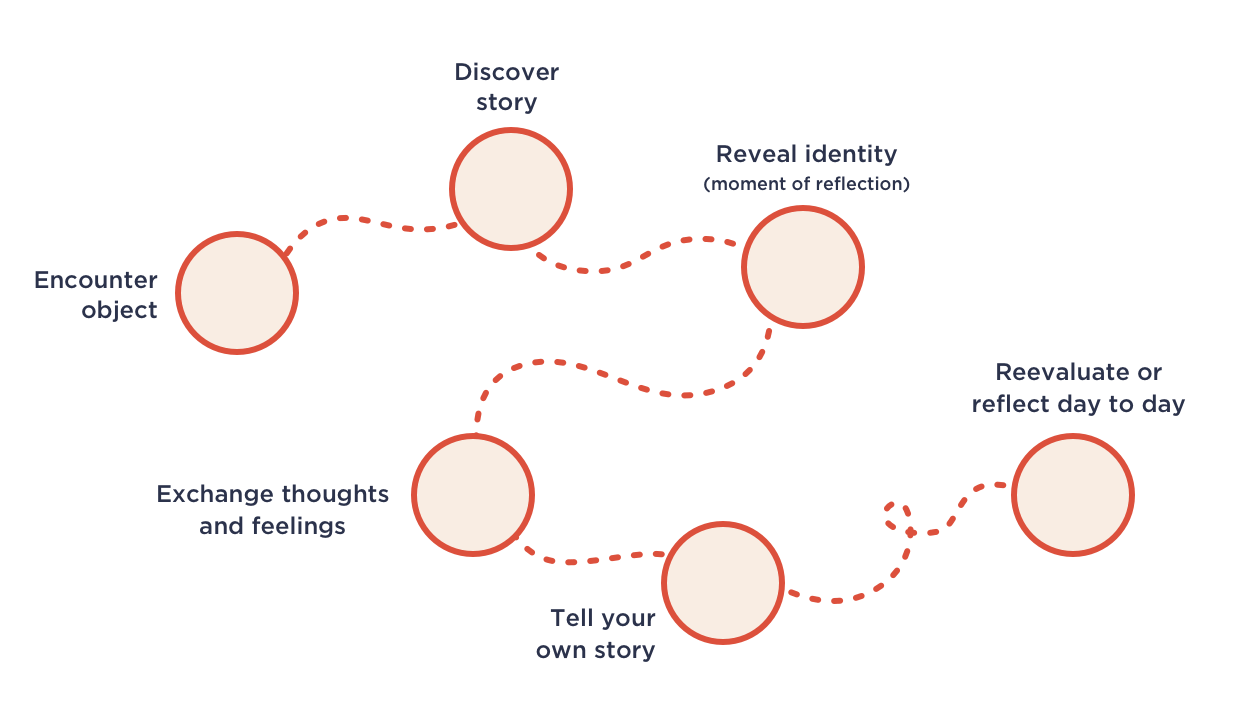
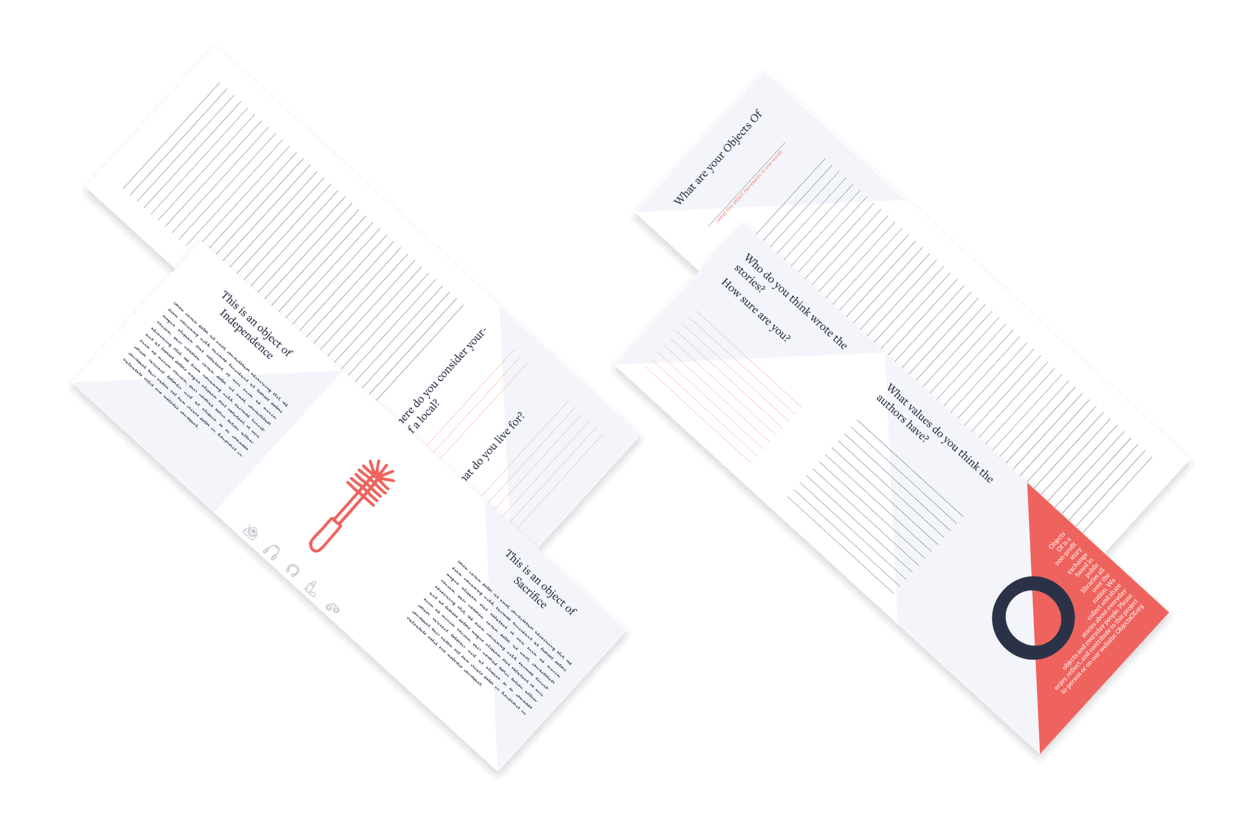
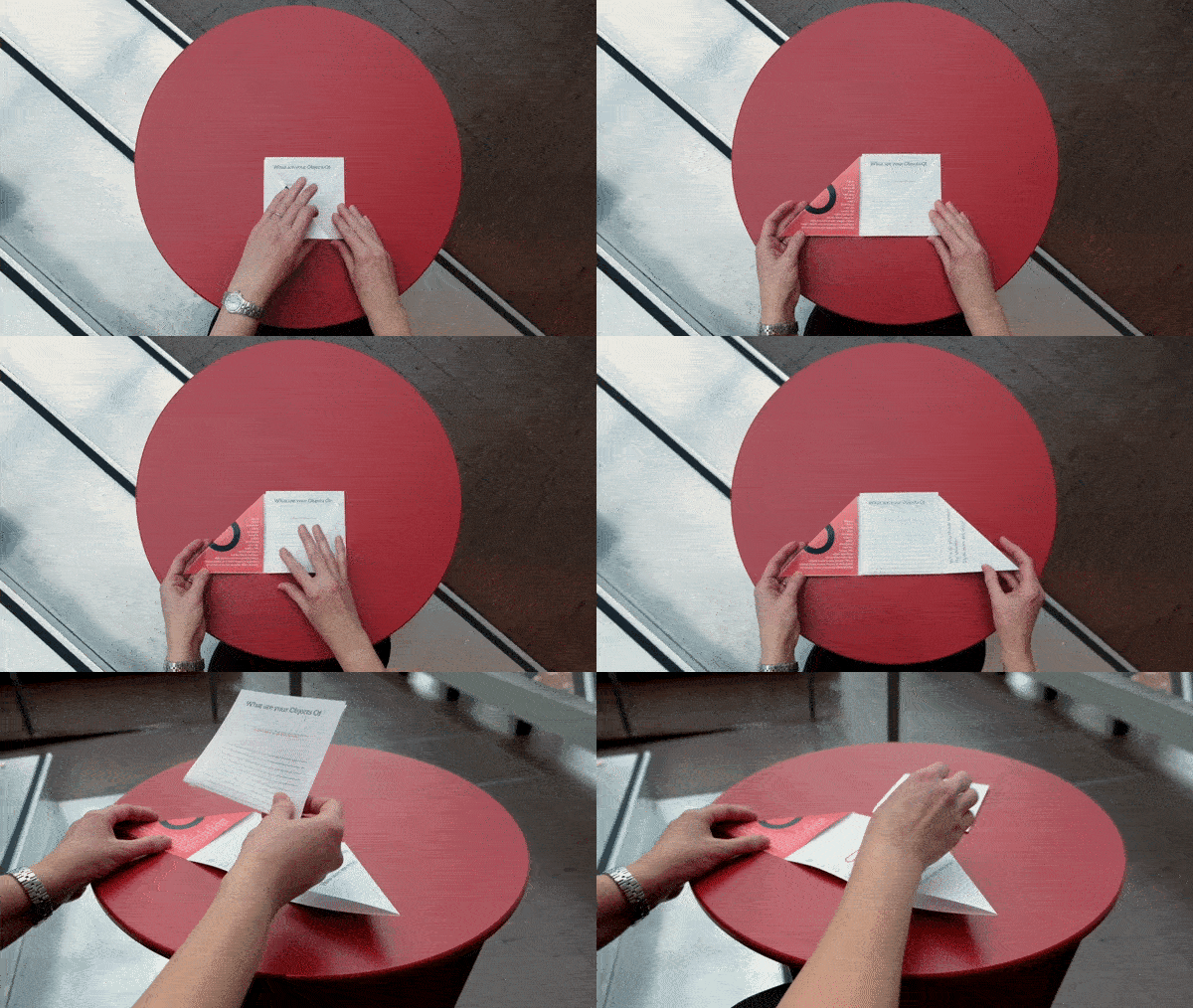
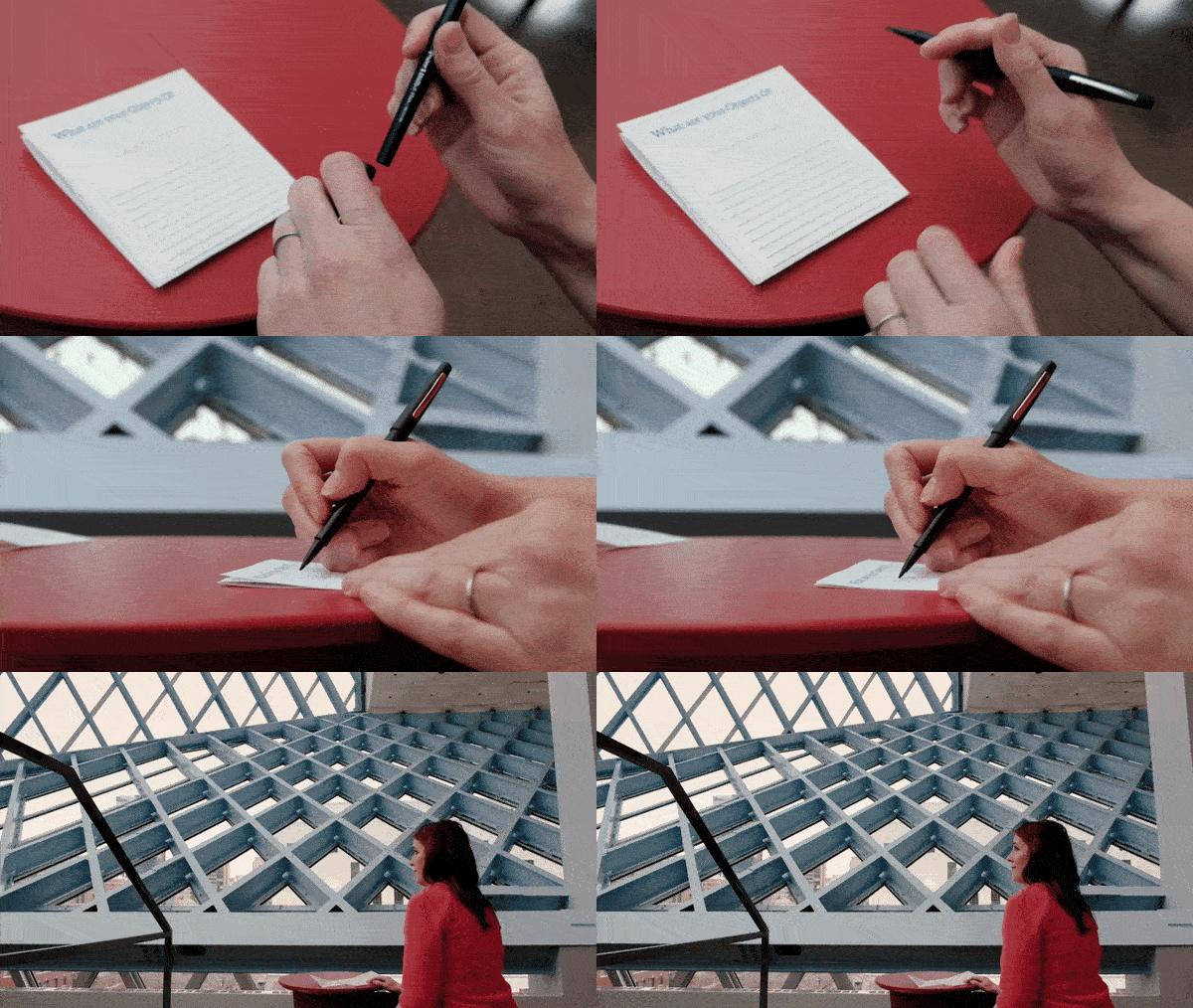
Physical cards dispensed from public installations embody Slow Design principles. Every object has layers of meaning revealed step by step, leading to deliberate contemplation of the object's attributes, biases, and assumptions.
Companion website
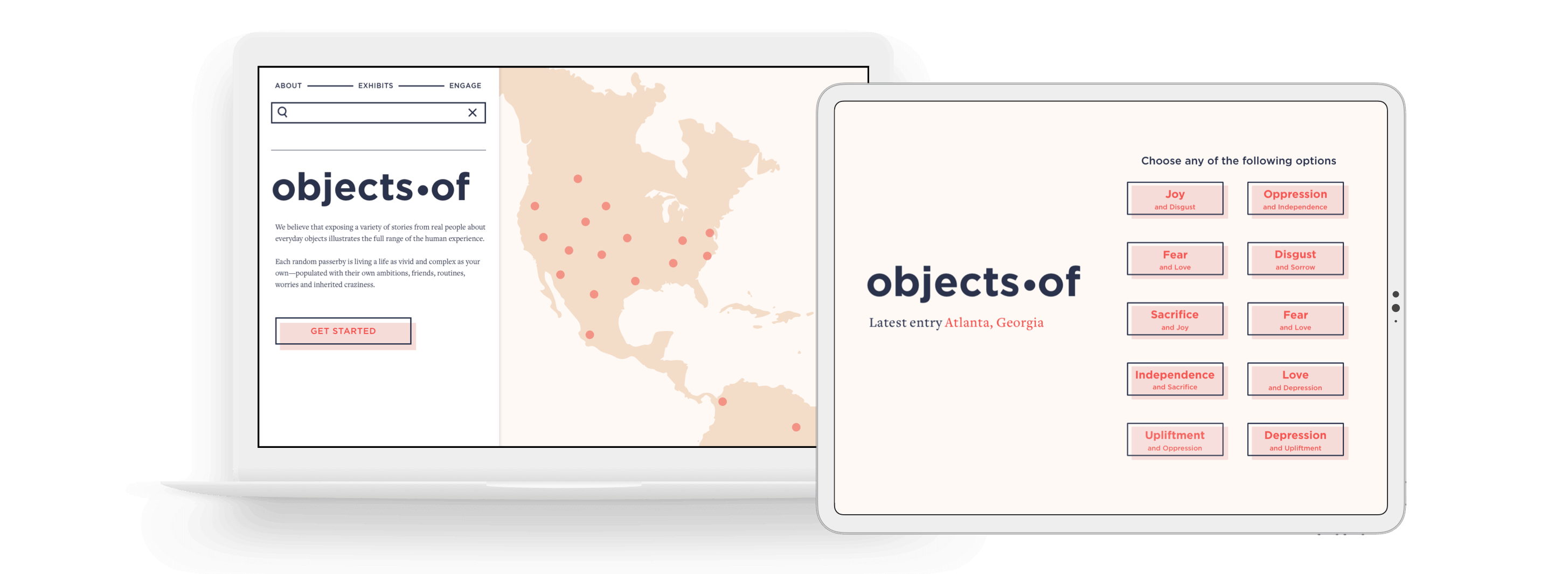
A companion website features an interactive map displaying stories and objects across the country. People can submit stories through the platform, where a non-profit group curates contributions based on quality, diversity, and harm reduction.
Key moments
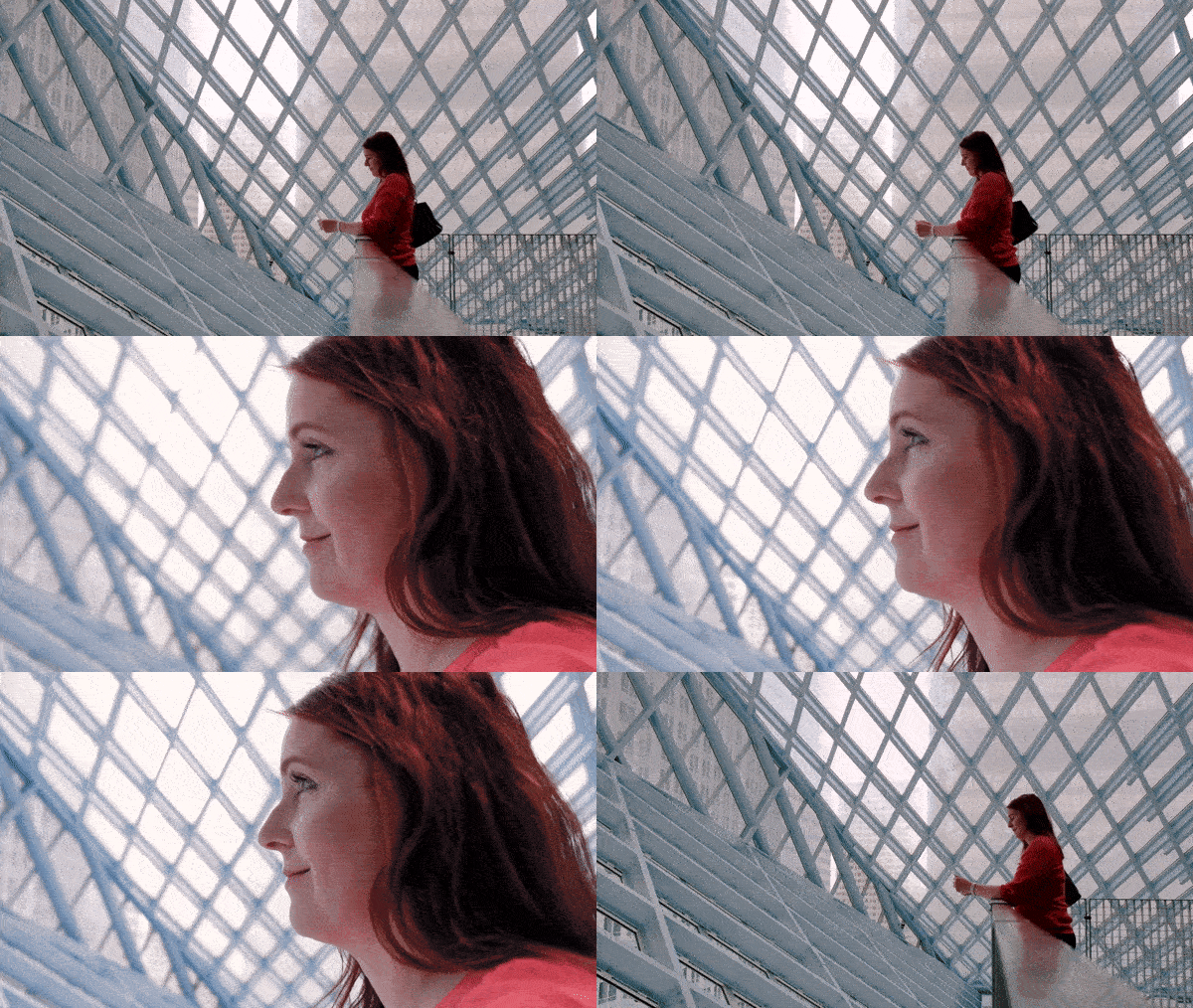
Storyboarding and motion design
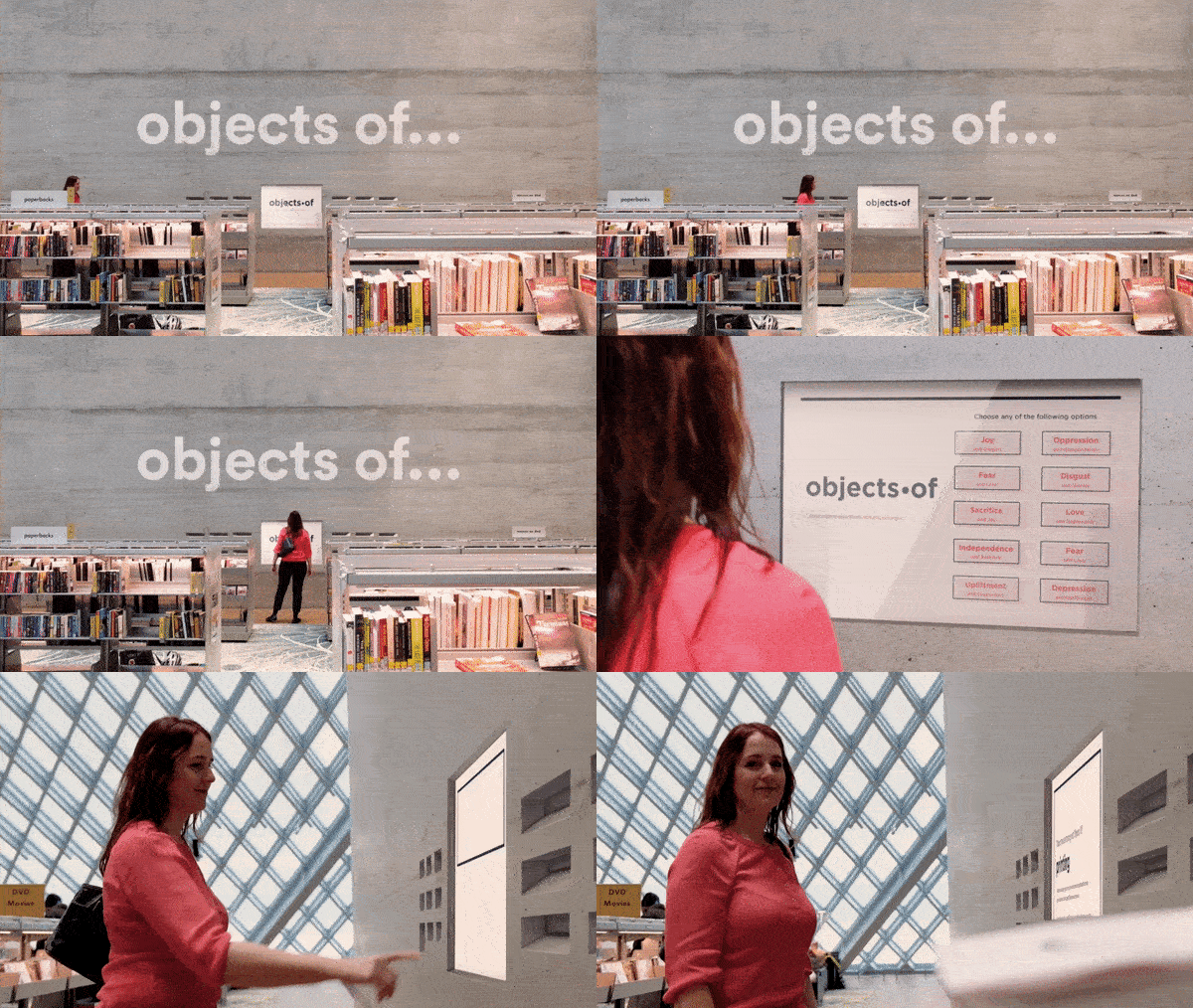
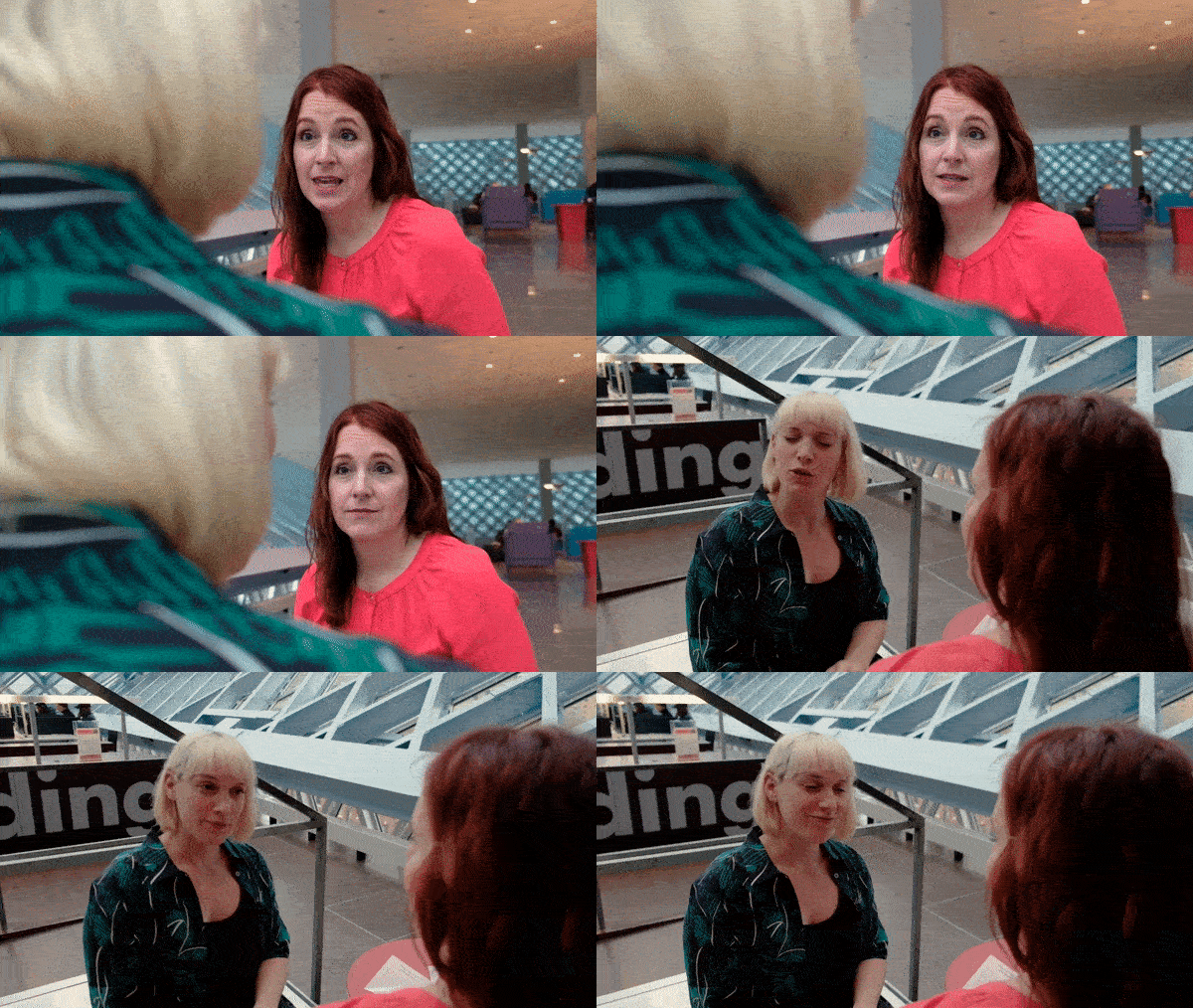
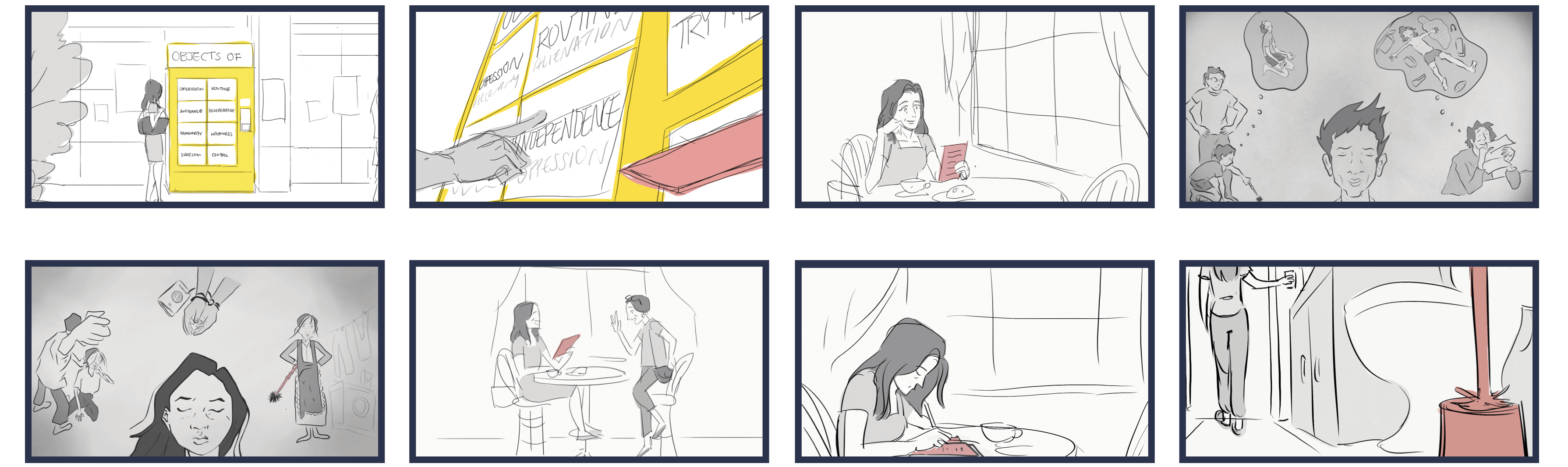
A first version of the video was developed through storyboarding, setting the Objects Of narrative in a cafe.
The interfaces for the website and physical device were animated to convey synergy and interaction in the video. Most animations were built with CSS3 and JavaScript, with final touches in After Effects and Principle.
Final video prototype
After weeks of research, iteration, and testing, the team built the final design response.
"It is a dive into someone else's world which makes you realize that they're also dealing with shit. It somehow captures humanity."
Empathy is a goal that takes many small steps. Realizing Sonder is the first step.